
20/10/2026 05:34
Fifteen or Fifty? TikTok Caption Checks for Cambodian Sewing-Supply Shops
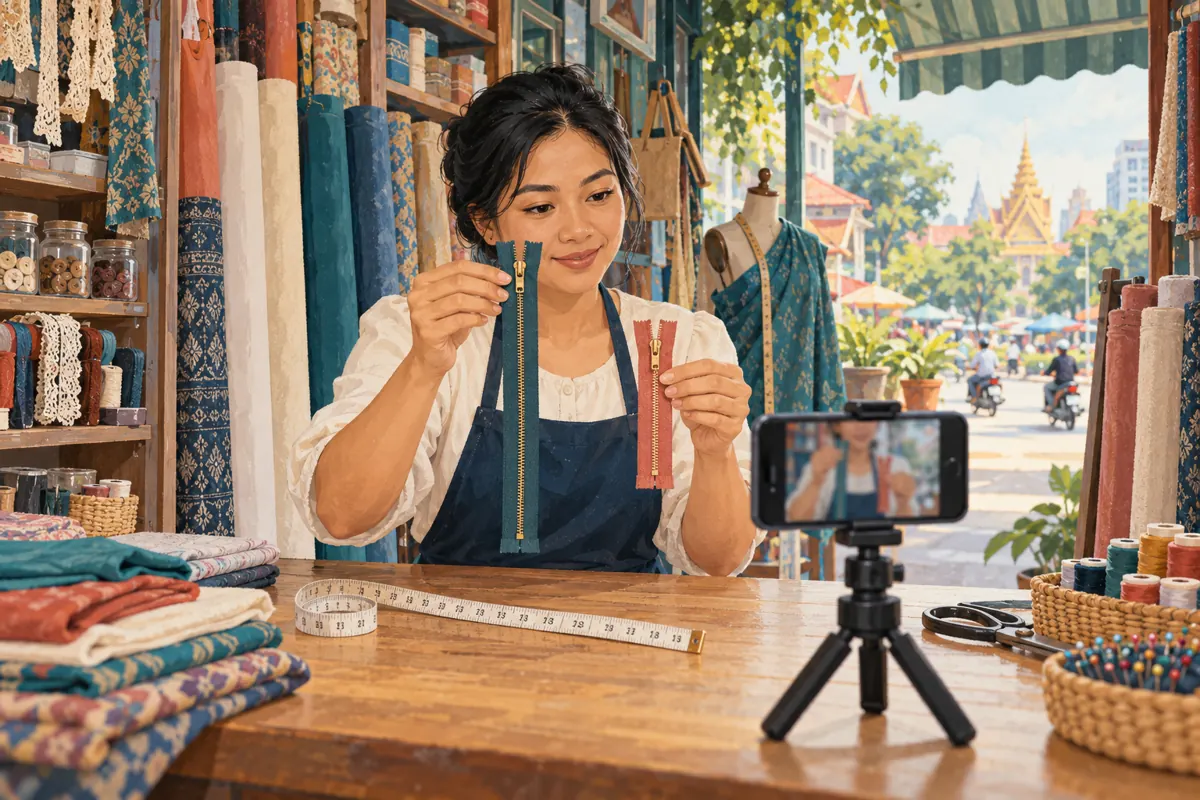
A zipper demonstration can look clear while giving customers the wrong information. The seller holds up one sample, says its length, and moves to another. If the captions misrepresent the number or remain on screen after the sample changes, a shopper may request the wrong item. For Cambodian sewing-supply businesses, that can turn a useful TikTok into another conversation about which product the customer actually meant. This workflow focuses on one question: can someone identify the demonstrated zipper and its stated length without guessing? It combines a physical sample check, caption review and silent viewing test before wider promotion. For businesses considering an SMM panel, that understanding check should come before any spending decision.
1. Start with a specific misunderstanding
Imagine a hypothetical sewing-supply shop in Phnom Penh preparing a TikTok about two zipper lengths. The presenter explains a 15-centimetre sample and a 50-centimetre sample. An English spoken phrase could be transcribed incorrectly, while a Khmer recording could produce an incomplete or unusable transcript. These are illustrative possibilities, not claims about measured error rates. The practical risk is the same: the text suggests a different item from the one being shown.
Give the video one job: help a viewer distinguish those two samples. Leave unrelated colours, bulk terms and other sizes for another demonstration. Write the intended takeaway before filming, then compare every caption against it. If the video cannot answer which sample has which stated length, adding more exposure will not resolve the ambiguity.
2. Make a sample reference before recording
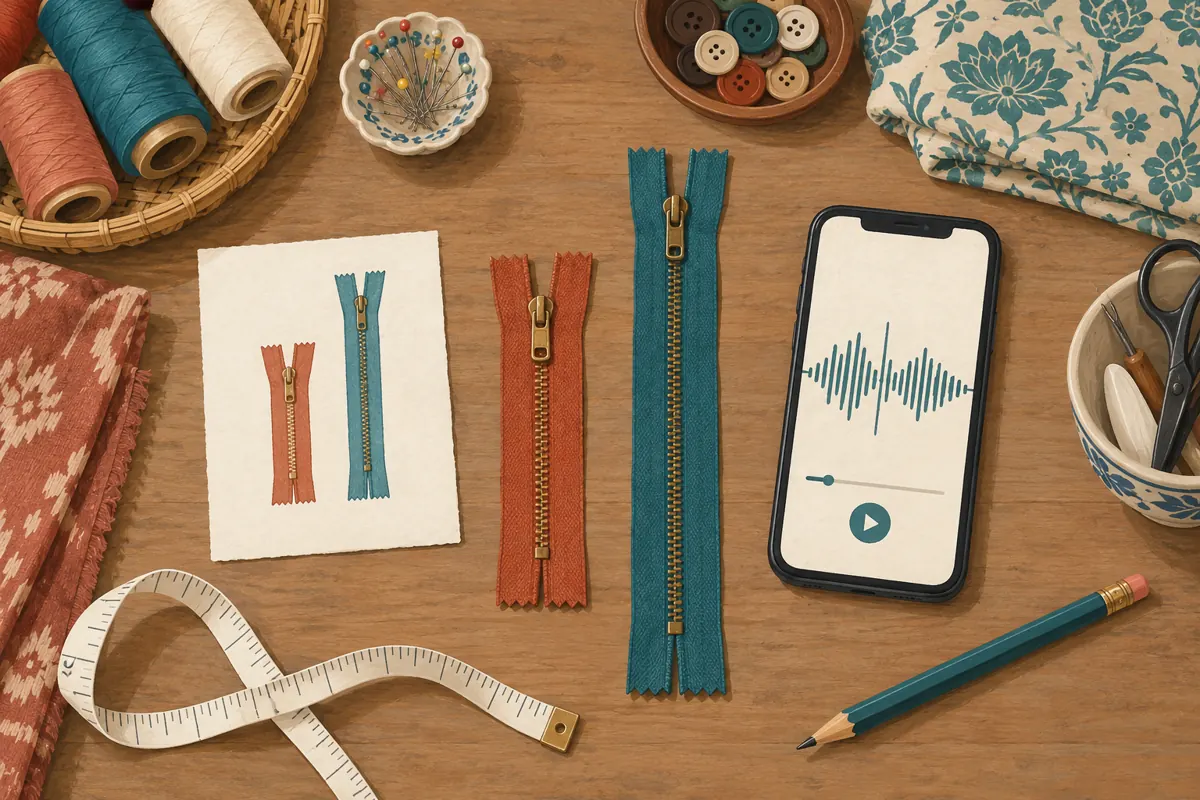
Place the actual products on the counter and prepare a short reference note. Record each sample's identifier, stated length, unit and distinguishing feature. Explain what the measurement refers to rather than assuming customers use the same convention. If the demonstration measures between particular points, show those endpoints. Avoid presenting an improvised measuring method as a universal rule for every zipper.
Keep the reference beside the person reviewing the video. Its purpose is to settle factual questions when the recording, packaging and captions disagree. In the hypothetical shop, one sample might be identified as the short terracotta zipper and the other as the long teal zipper. Colour helps track the demonstration, but the final explanation should also identify length because colour alone may be hard to distinguish on some screens.
3. Record sentences that stay attached to the sample
Show one zipper, name it and state its length in a complete sentence. Pause before exchanging it for the next sample. Avoid saying only 'this one' while your hands move between products. The recording should give the editor a clear place to end one caption and begin another. A short pause is easier to work with than overlapping speech and movement.
Record away from unnecessary background conversation and keep music from competing with the explanation. If a number sounds uncertain when you replay it, record that sentence again. Captions should represent a clear explanation; they should not quietly repair contradictory speech. Where the presenter mixes Khmer with a product code or English term, note the exact intended wording so the reviewer does not substitute a familiar but different product name.
4. Use automatic captions as an editable draft
TikTok's official TikTok Studio documentation lists auto captions among its creation tools and says captions can be added and edited. Start with the caption controls available in your own app, generate a draft if the tool works for your recording, and review the resulting text against the audio. Do not treat successful generation as successful proofreading.
The documentation does not establish that every Khmer recording will receive usable automatic transcription. Check what your account actually offers before planning around it. If the necessary language or editing option is unavailable, prepare manually timed subtitles in your video editor and review the exported result before uploading. Keep an editable project and a clean source recording. Text rendered into the video requires a revised export when it needs changing.
5. Review facts separately from spelling
First listen for meaning. Check every number, unit, product identifier and qualification against the reference note. Words such as 'not', 'only' and 'approximately' deserve special attention because losing one can reverse or exaggerate the explanation. A sentence can be grammatically polished and still describe the wrong zipper. Do not let a neat-looking transcript distract from the physical sample.
Then review readability and timing. Keep the number and unit together where practical. Make sure the caption for the short sample disappears before the longer sample becomes the subject. Read at normal playback speed rather than judging only paused frames. If you need repeated pauses to finish a sentence, shorten the spoken explanation or extend the shot. Reducing the font size usually makes the viewing problem worse.
6. Handle Khmer and product terminology deliberately
Choose the caption language around the customers the demonstration is intended to help. A Khmer explanation can retain a genuine brand name or product code without translating that identifier. Keep those identifiers consistent across the physical reference, subtitles and post description. Ask a fluent reader to check the Khmer wording, particularly when a familiar spoken expression has several possible written interpretations.
If you also need English, consider whether a separate version would be easier to follow than two dense subtitle blocks. Whichever approach you choose, preserve the same measurement and qualification in both versions. Do not add a stronger suitability claim during translation. An explanation that identifies a sample should not become a promise that it fits every garment. Keep essential information in language customers understand, rather than relying on numbers alone.
7. Test the finished video without sound
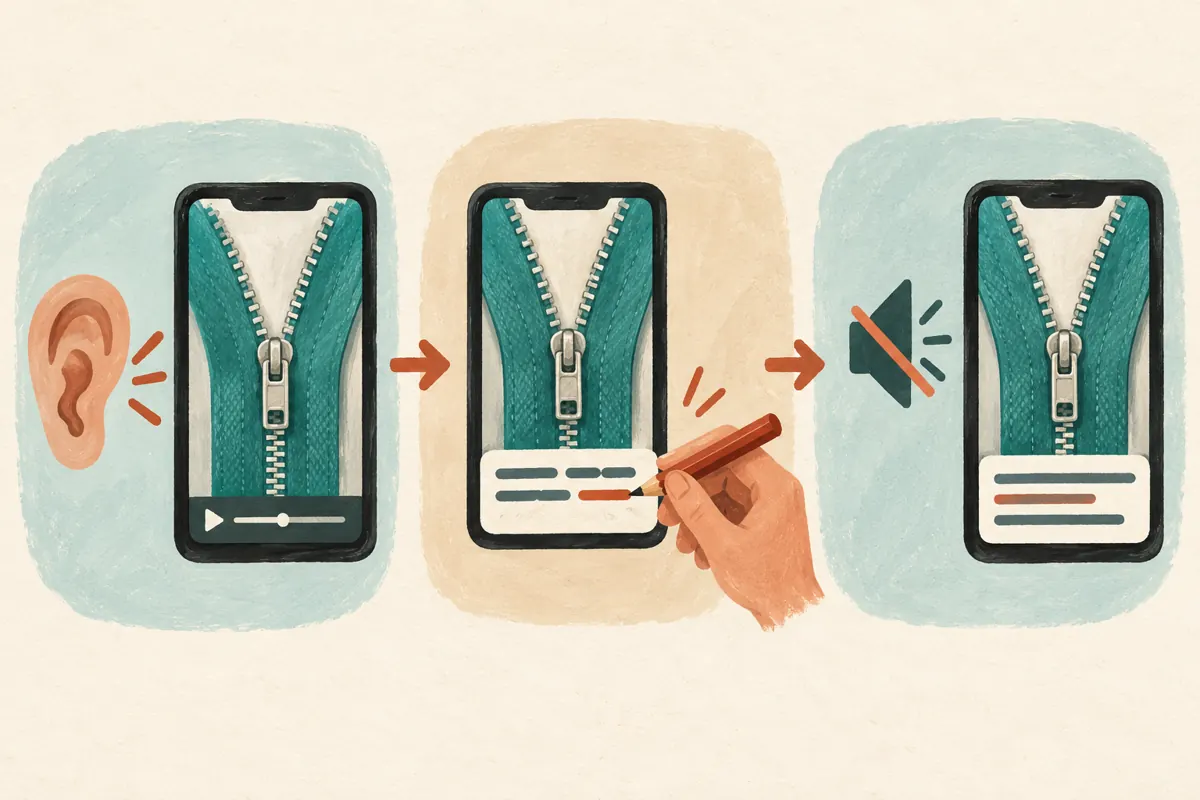
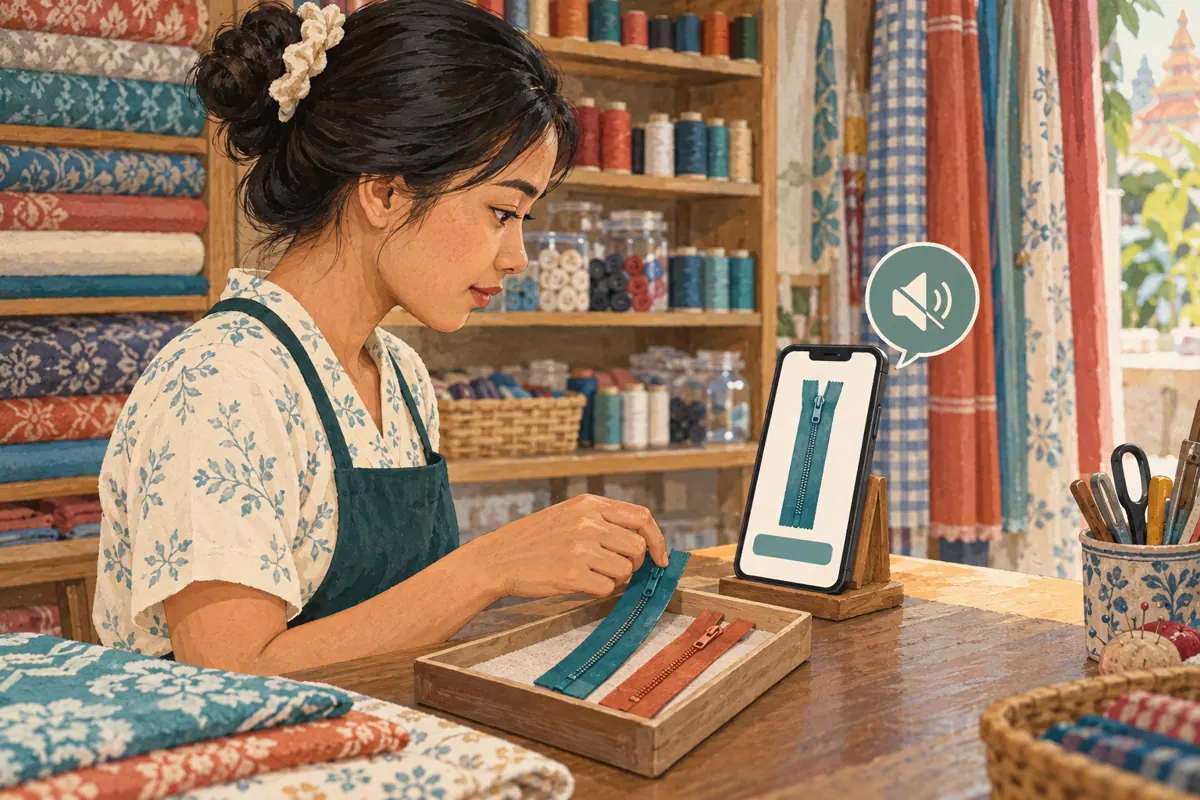
Ask a colleague who did not edit the video to watch the finished version on a phone with sound muted. Give them the sample tray afterward and ask which zipper the video described, what length it stated and what information a customer should send when enquiring. Avoid explaining the answer before they watch. The exercise is useful because it reveals what the video communicates without your help.
Preview the video with the surrounding posting interface where possible. Check whether captions obscure the slider, measurement endpoints or product identifier, and whether interface elements compete with the text. In the hypothetical shop, a reviewer who selects the right colour but reports the wrong length has identified a specific defect. Fix that moment and repeat the relevant viewing check. This is a small editorial test, not evidence of market demand.
8. Give the enquiry a clear starting point
End the demonstration with a request customers can answer. For example, ask them to identify the sample, state the length they need and describe the intended use. Present this as an enquiry rather than confirmation that an item is available or suitable. Staff can then check stock and specifications before making a commitment.
Use the post description to reinforce the sample identifiers and the enquiry process. It should support the video rather than introduce an entirely different set of measurements. Avoid requesting personal addresses or phone numbers in public comments. If the shop uses a private contact route, explain it plainly and verify it works. A useful demonstration should leave a customer knowing what to ask, even when they are not ready to order.
9. Separate SMM service labels from customer understanding
A relevant catalogue example supplied for smm-asian.com is “TikTok Likes ~ [ 𝐇𝐐 Profiles ] ~ Max 1M ~ 50k/Days ~ Instant ~ 𝐍𝐎 𝗥𝗘𝗙𝗜𝗟𝗟”. Its title identifies a likes service, but the supplied description is empty. The wording does not independently verify profile quality, delivery behaviour or audience location. It also provides no evidence that viewers can distinguish the demonstrated zipper lengths.
TikTok's integrity rules prohibit services that artificially increase engagement and say inauthentic metrics may be removed. Consider that restriction before any purchase; correcting captions does not make artificial engagement compliant. Purchased engagement is not evidence of genuine interest, sales, ad delivery or Cambodian users. A sensible decision here is to put effort into clearer demonstrations and legitimate distribution. If reviewing an existing panel order, keep its delivery record separate from conclusions about customer comprehension.
10. Correct important errors before sharing more widely
A wrong measurement deserves a different response from an awkward line break. If the problem is cosmetic and meaning remains clear, improve the presentation through available editing controls. If the spoken explanation and text disagree about the product, stop sending new viewers to that version while you prepare an accurate replacement or correction.
Do not assume every caption format can be changed after publication. Check the controls available for that specific post. If replacement is necessary, review the new version from beginning to end and update the links the shop actively shares. Answer affected enquiries with the verified measurement. A reply hidden among comments is a weak remedy when the video itself still gives the wrong instruction. Keep a short internal note explaining what changed so another staff member does not reuse the old export.
11. Learn from questions rather than applause
After publishing, record the kinds of questions the video produces. Distinguish uncertainty about length from requests about stock, colour or suitability. These questions suggest different next steps. Repeated confusion about which sample is which points back to the demonstration; a clear request for an unavailable colour may instead identify a catalogue information gap.
Avoid declaring that captions caused sales simply because orders arrived afterward. Other posts, existing customers and offline conversations may also contribute. Look for practical evidence that staff can use: customers naming the demonstrated sample accurately, fewer clarification steps within a particular conversation, or reviewers identifying a confusing sentence. Keep these observations modest and specific. The purpose is to improve the next explanation, not manufacture a success story from a changing engagement total.
Frequently asked questions
Should we use automatic captions for a Khmer zipper demonstration?
Use them as a starting point only if the available tool produces a useful draft for your recording. Do not assume Khmer support or accuracy from the presence of a captions button. Have a fluent reader verify the result. If it is unusable, create manually timed Khmer subtitles and inspect the exported video on a phone.
What if the audio says the wrong length but the captions are correct?
Correct the audio or record the affected passage again. Leaving contradictory information creates different instructions for people listening and people reading. Check the physical sample first, then bring the spoken explanation, subtitle and post description into agreement. A subtitle should not conceal a factual mistake in the demonstration.
Can we put all the measurements in the post description instead?
The description is useful for reference, but it may not resolve which measurement belongs to the sample currently on screen. Keep the essential identifier and unit with the relevant demonstration. Use the description for supporting details and the enquiry process, while avoiding a second, conflicting explanation.
Do more likes show that customers understood the size comparison?
No. A like does not reveal what someone understood, and purchased likes cannot establish genuine interest or local demand. Use a silent viewing exercise to test comprehension and examine actual enquiries for specific misunderstandings. TikTok also prohibits artificial engagement services, so catalogue availability should not be mistaken for platform approval.
What is the smallest useful check for a shop working alone?
Leave a gap between editing and reviewing, then watch the finished video silently while keeping the reference note out of sight. Write down what each sample appears to be and compare afterward. This is weaker than an independent review because you already know the intended answer, but it can still expose missing units, mistimed captions and obscured details.
Explore the current service catalogue, create an account, or ask a specific question through support tickets.
- TikTok Help Center: TikTok Studio — creation tools and editable auto captions
- TikTok Community Guidelines: Integrity and Authenticity — deceptive behaviors and fake engagement
Prepared with AI assistance. Illustrations explain the workflow and do not represent customer results.