
22/10/2026 14:20
Saved on Which Phone? TikTok Draft Handovers for Cambodian Bag-Repair Shops
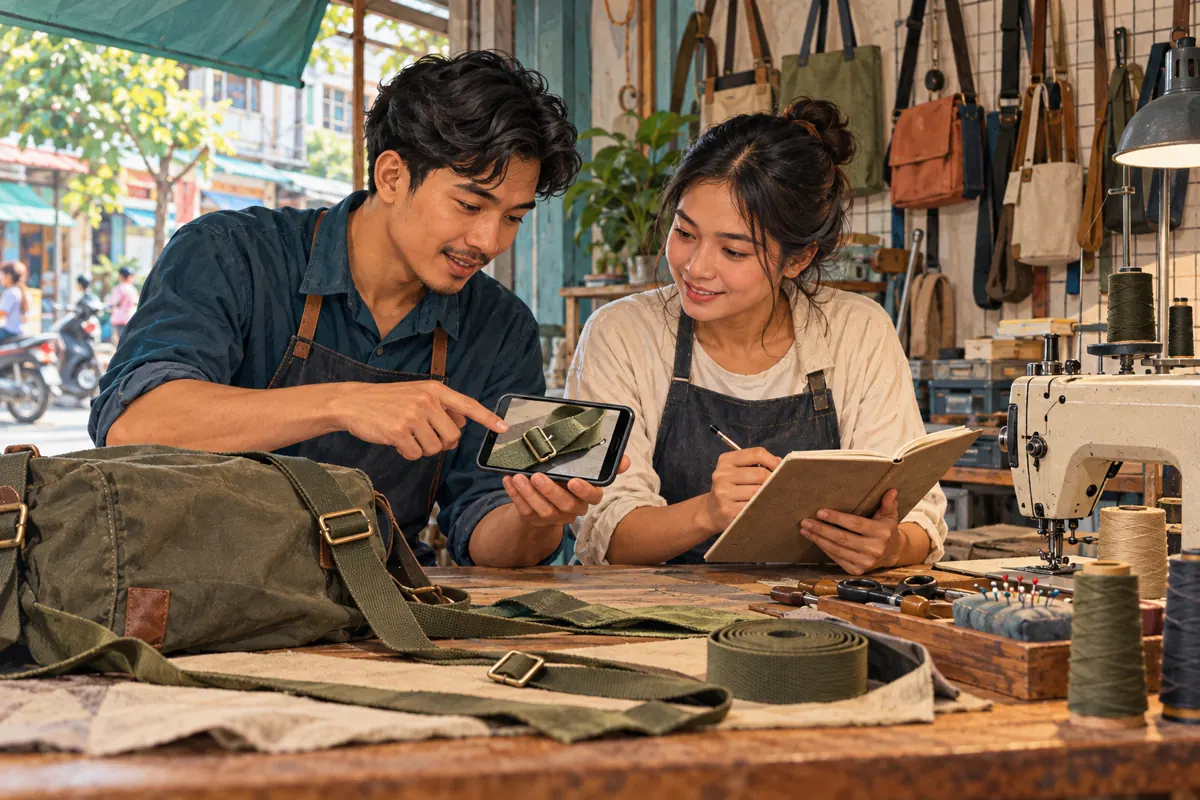
A useful repair demonstration can become difficult to publish when its only working version sits on a colleague’s phone. For a Cambodian bag-repair shop, that might mean losing the close-up that explains a strap replacement, rebuilding Khmer captions or delaying an announcement while someone searches through similar drafts. The practical question is simple: if the person holding the phone leaves today, can the shop still finish the correct video? This workflow connects draft handling with responsible social media promotion. It helps a small team preserve its materials, approve a specific version and avoid treating an unfinished edit—or purchased engagement—as evidence that a campaign is ready.
1. Start with a repair question worth answering
Choose one customer uncertainty before filming. A bag-repair demonstration might explain whether the shop replaces a detachable strap, repairs its attachment point or needs to inspect the entire bag. These are different services. A visually attractive sequence that mixes them can leave viewers unsure what to request. Write the intended answer in one sentence and keep it beside the footage.
Consider a hypothetical Phnom Penh workshop preparing a video about replacing a detachable shoulder strap. The owner films the damaged strap, the attachment hardware and the replacement fitted to the same bag. The planned invitation asks viewers to send a clear photo of their attachment points for an initial assessment. It does not promise that every bag can use that replacement. This specific purpose gives the editor a useful test: every retained shot should help a viewer understand the repair or the next step.
2. Understand what TikTok actually says about drafts
TikTok’s official editing guidance says you can save an edited video by selecting Drafts on the Post page. Saved drafts appear in the videos tab on your profile and become available to others when posted. The same guidance warns that drafts may be removed after uninstalling and reinstalling TikTok, or moving or switching the account to another device. Drafts also cannot be shared or transferred between different accounts.
Build the shop’s process around those limitations. Do not promise a colleague that signing in elsewhere will provide a dependable handover of unfinished work. Before a phone replacement, app reinstall or staff departure, identify which demonstrations still need attention and preserve their available source materials. A note saying that a draft exists is useful for locating work; it does not provide a second copy of that work.
3. Separate source footage, working draft and approved video
Give each stage a clear meaning. Source footage is the original material: the broken strap, the fitting process and the finished repair. The working draft is an unfinished arrangement that may still contain temporary wording or discarded shots. The approved video is the exact sequence the owner has reviewed for publication. A published post adds another reference: the actual destination viewers can open.
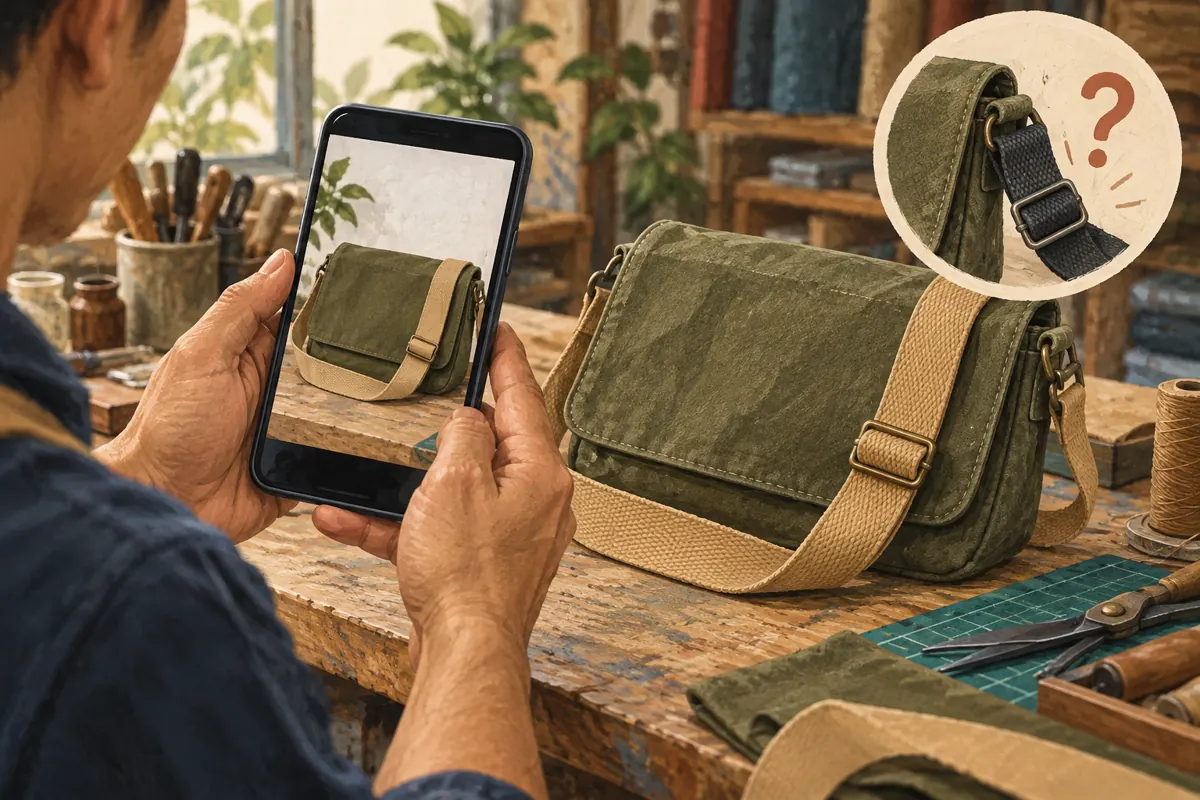
In the hypothetical workshop, an early draft shows a black strap because that was the first sample available. The approved version shows the tan strap currently being discussed. Both thumbnails may feature the same olive bag, making a quick visual search unreliable. Use a descriptive project name such as olive-bag-detachable-strap, then record a version number and review date outside TikTok. Keep that identifier with the footage and approval note so the team can distinguish versions without guessing from a thumbnail.
4. Preserve a small, usable handover kit
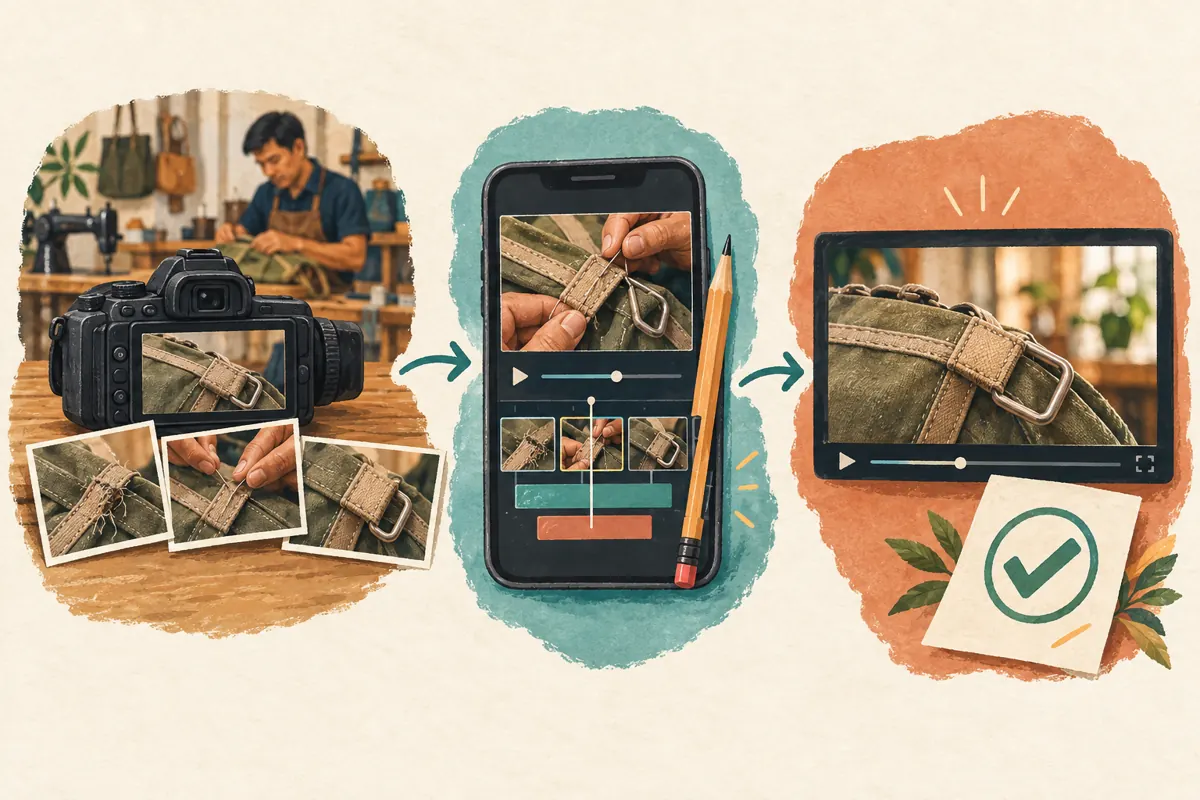
For future demonstrations, record important repair shots with the phone camera and retain the originals before editing. Keep a second copy in storage the business controls, with access limited to the people doing the work. Check that the copied videos actually open and play. A transfer notification alone does not establish that a colleague has received the right files in usable form.
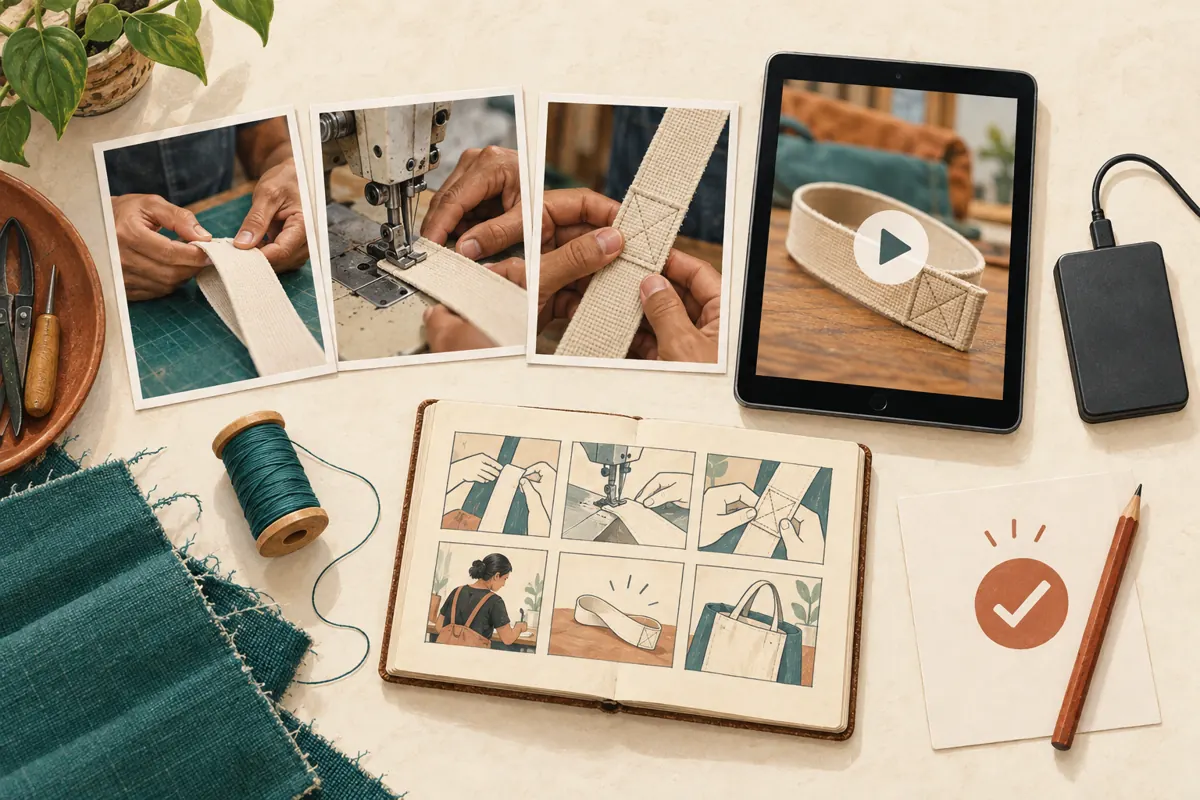
The kit should contain the original clips, the planned clip order, the spoken script, caption wording and any approved finished video file available from the editing workflow. Keep customer permission notes where relevant, but exclude unnecessary personal details. If a demonstration was recorded entirely inside TikTok and no separate originals exist, record that limitation honestly. Preserve whatever usable material the available controls permit, or plan a short reshoot. Do not describe a screenshot or flattened video as a complete editable project.
5. Make the Khmer wording portable too
Footage alone may not preserve the meaning of a demonstration. Save the approved Khmer wording separately in a simple document that the editor and reviewer can read. Include the opening explanation, any on-screen qualification and the final enquiry instruction. If the team also uses English product terms, explain which physical part each term refers to rather than asking the next editor to infer it.
For example, the hypothetical workshop could distinguish the removable shoulder strap from the stitched loop that holds its clip. A replacement editor should know whether the video offers strap replacement or inspection of the stitched loop. Record the intended meaning beside any wording that staff commonly confuse. Review the rebuilt video on a phone with sound both enabled and muted. The customer should still understand what is shown, what remains uncertain and what photo would help the shop assess the problem.
6. Choose between finishing, rebuilding and refilming
Use a short decision process when ownership of the edit changes. If the original working device is available and the draft needs only a small correction, arrange a supervised review and finish there. If the originals and script are complete but the draft is unavailable, rebuild from those materials. If the essential attachment close-up is missing or the replacement part has changed, refilm that section before making a publication commitment.
Avoid spending an afternoon recreating decorative transitions while a necessary repair detail remains unclear. Identify the minimum accurate sequence first: the problem, the relevant part, the demonstrated change and the enquiry instruction. A simpler reconstruction may communicate the service better than an elaborate earlier edit. Record the decision and its reason so another team member does not reopen an obsolete version simply because it looks more polished.
7. Approve the exact version that will be posted
Approval should identify a file or version, not merely say that the video is fine. Ask the owner to check the part shown, the repair claim, the availability wording and the contact instruction. In the hypothetical example, the owner approves the tan-strap version only after confirming that the attachment shown matches the explanation. Any later substitution of footage should trigger another check of the affected claim.
Assign one person to publish and one person to verify the result. Before posting, check the intended account, audience settings and applicable disclosures. TikTok’s Community Guidelines require the content disclosure setting when promoting a product, brand or business. After publication, open the actual post and compare it with the approved version. Record its link only after confirming that the right demonstration is accessible to its intended audience. An editor’s preview is insufficient for that final check.
8. Apply the same distinction when reviewing an SMM panel
An SMM panel catalogue does not solve missing footage, unclear approval or an unpublished demonstration. The supplied catalogue includes the exact service name “TikTok - Likes ~ Bot ~ Max 5M ~ 50k/Days ~ Instant ~ 𝐍𝐎 𝗥𝗘𝗙𝗜𝗟𝗟”. Its wording identifies a TikTok likes offering labelled Bot. The supplied description is empty, so the listing provides no descriptive evidence supporting delivery speed, audience location, quality or business results. Treat the remaining title claims as unverified catalogue wording.
TikTok’s Community Guidelines prohibit services that artificially boost engagement or manipulate its recommendation system. That makes declining artificial likes a sensible decision for this workflow. Purchased engagement is not evidence of genuine interest, Cambodian users, sales or ad delivery, and a panel listing does not establish official platform affiliation. Put the practical effort into an accurate demonstration, clear customer instructions and genuine responses. If reviewing panel records from earlier work, keep them separate from editorial approval and customer enquiry records.
9. Catch the handover mistakes that create rework
A common mistake is calling every saved item final. Another is passing along a preview through a chat without its original footage or wording. The recipient can watch the sequence but may be unable to fix a caption or remove a misleading shot cleanly. A third mistake is assuming the colleague who filmed the repair also checked stock, permissions and publication details. Allocate those checks explicitly, even when two people perform all the roles.
Do not reinstall the app as the first response to a missing draft. First check the original working device and the project notes, then identify what materials remain. Do not publish an inaccurate version merely to rescue the schedule. For Cambodian shops serving customers in different provinces, an outdated collection instruction can be more consequential than a late post. If the available footage no longer supports the offer, change the plan before changing the caption to disguise the mismatch.
10. Review whether the demonstration reduced confusion
After publication, examine the questions people actually ask. Are they sending photos of the attachment points, or asking whether the advertised strap repair includes stitching? Are staff repeatedly explaining a distinction the video should have made? Keep brief, anonymized notes about recurring questions. These observations help decide whether the next demonstration needs a closer shot, a different opening or a more specific enquiry instruction.
In a hypothetical follow-up, several viewers ask about sewn handles although the clip concerns detachable straps. That would suggest reviewing the opening image and wording; it would not prove the service lacks demand. Separate content comprehension, enquiries, inspected repair jobs and completed sales in the shop’s records. None is interchangeable with a like count. Keep the approved materials until the shop no longer needs to explain, correct or reuse the demonstration, then follow its own retention and permission arrangements.
Frequently asked questions
Will signing into the shop account on another phone recover the draft?
Do not rely on that as a recovery method. TikTok warns that moving or switching an account to a different device may remove drafts. Check the original working device first. A dependable handover uses separately preserved media and wording, with enough context to reconstruct the demonstration if necessary.
Is sending the finished video to a colleague enough?
It may be enough for reviewing that exact version, but it may not support later changes. Captions and other elements can be baked into the picture, leaving limited editing options. Send the source clips and approved wording when the colleague needs to revise the demonstration, and identify which finished version the owner approved.
What should we do if the only remaining draft shows an unavailable strap?
Pause the planned offer and decide whether the footage still serves a useful educational purpose. If it does, make the example status clear and remove any unsupported availability claim. If the video depends on that specific replacement being available, film the current part and obtain fresh approval before posting.
Can a panel likes service help us judge whether the rebuilt video works?
No. Purchased likes cannot establish that viewers understood the repair, live in Cambodia or intend to buy. Artificial engagement also conflicts with TikTok’s rules. Review the clarity of genuine questions and the information customers provide, while keeping those observations separate from confirmed repairs and sales.
Explore the current service catalogue, create an account, or ask a specific question through support tickets.
Prepared with AI assistance. Illustrations explain the workflow and do not represent customer results.